RFQ data handling

Share what matters. Protect the rest.

Use the initial RFQ for minimum facts, then agree a controlled channel for sensitive project information.

Minimum firstSend the business need before sending the complete project file.
Authority checkedShare only information your company permits you to disclose.
Channel matchedUse a delivery method appropriate to the sensitivity and recipient group.
Purpose limitedEach file should support a named qualification or transaction decision.

Classify before you send.

The examples below are operational guidance. Your company policy, contract, law and export-control duties always take priority.

Routine business information

Appropriate for the initial RFQ when your company permits disclosure.

  • Company, contact, country and organisation type
  • General application, membrane type or installed model
  • Indicative trial or order quantity and required date
  • High-level document, certification or inspection needs
Controlled project information

Share after purpose, recipients, redaction and delivery method are agreed.

  • Detailed feedwater, operating and performance data
  • Tender extracts, plant layouts, equipment lists or customer specifications
  • Non-public pricing, margins, forecast volumes or negotiation positions
  • Customer names, site identifiers, test reports or confidential attachments

Restricted or prohibited information

Do not send through the website form or ordinary email.

  • Passwords, access keys, banking credentials or payment authentication data
  • National identification, unnecessary personal data or health information
  • Export-controlled, sanctioned or otherwise restricted technical material without prior legal clearance
  • Third-party information that you do not have permission to disclose

A controlled exchange has four checks.

These checks reduce unnecessary disclosure while preserving the information needed for a useful qualification decision.

Define the purpose

Name the RFQ, decision, responsible buyer, required evidence and the people who need access.

Minimise and redact

Remove unrelated customer names, personal data, prices, pages and identifiers before transmission.

Confirm the channel

Agree the recipient, file method, password exchange route and any confidentiality requirement.

Close the record

Record disposition, restrict further use and delete working copies when they are no longer required.

Protect commercial instructions from impersonation.

Cross-border transactions are exposed to business-email compromise and false bank-detail changes. Treat any change to the contracting party, bank account, payment route or beneficiary as a high-risk instruction.

  • Do not rely on a reply inside the same email thread as the only verification.
  • Confirm the change through a previously established phone or WhatsApp contact.
  • Compare beneficiary name, company identity, bank country and contract details.
  • Pause payment if the instruction, urgency or contact route differs from the agreed process.

Payment warning: MembraLink will not treat an incoming email alone as sufficient confirmation of changed bank details.

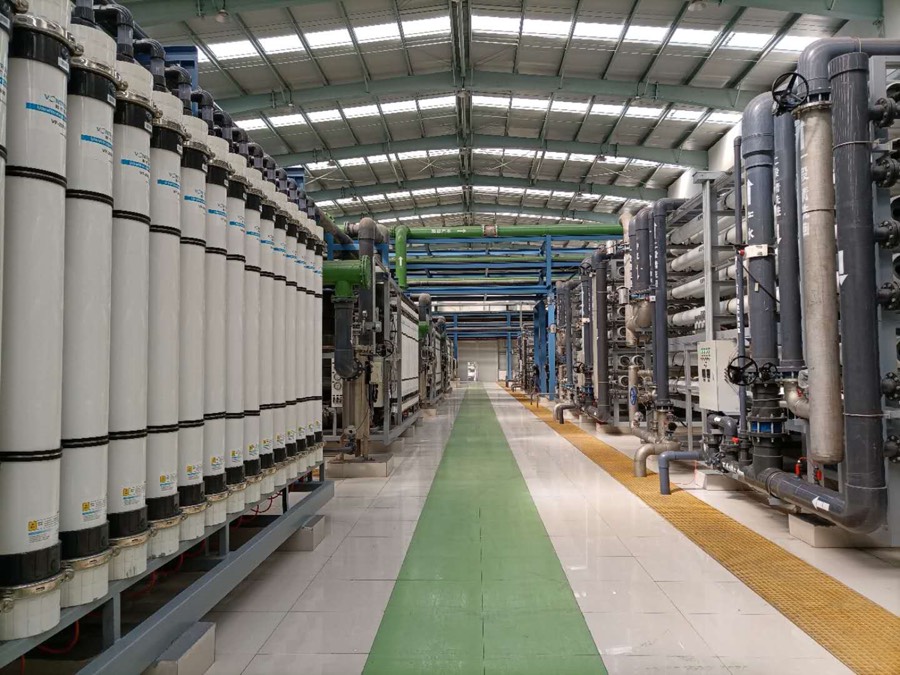
Industrial membrane treatment equipment inside a facility
Cross-border coordination requires separate verification of commercial identity, instructions and payment changes.

Responsibilities stay visible.

The buyer controls disclosure

Confirm authority, classification, redaction, purpose and internal approval before sending customer or project information.

MembraLink limits use

Use received information for the named enquiry, qualification, transaction, security or required legal purpose.

Suppliers receive only what is needed

Project or customer details should be reduced where a technical question can be answered without full disclosure.

Final approval remains with the buyer

Information handling does not transfer engineering, legal, procurement or commercial decision responsibility.

Begin with the minimum useful brief.

If the review needs sensitive data, we will first identify the fields, recipients and controlled exchange route.

Submit an RFQ