Duty gate
Compare the buyer's operating envelope and target performance with manufacturer-stated conditions. Record every assumption and deviation.
For water-treatment EPCs
Coordinate technical evidence, commercial terms and delivery gates for a defined industrial membrane duty.
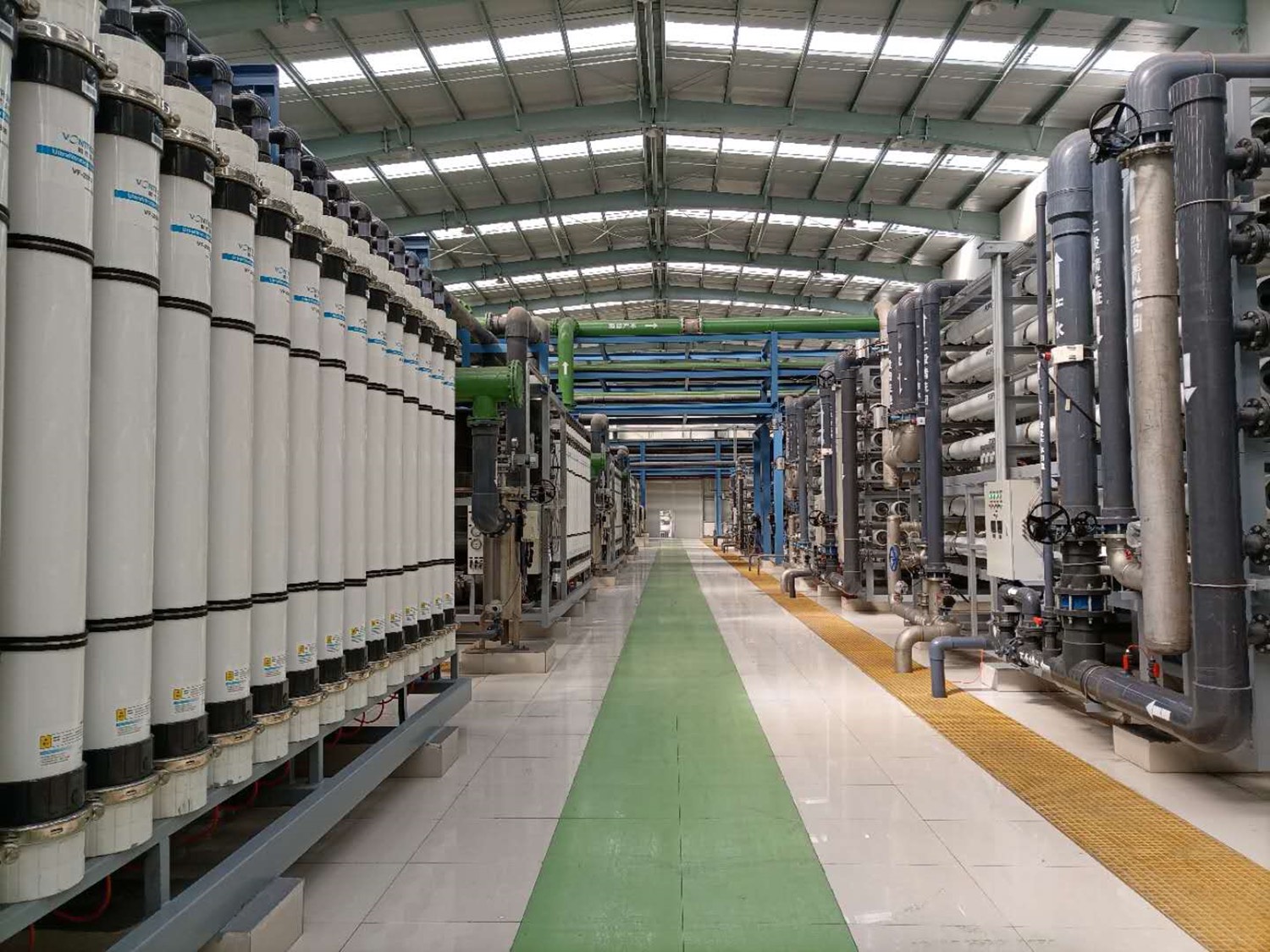
A useful EPC RFQ connects the proposed element to feedwater, operating conditions, permeate targets, pressure-vessel format, cleaning history, document requirements and the delivery schedule.
Where information is missing, MembraLink records the gap and its owner. A quotation proceeds only with the assumptions and deviations visible to the project team.
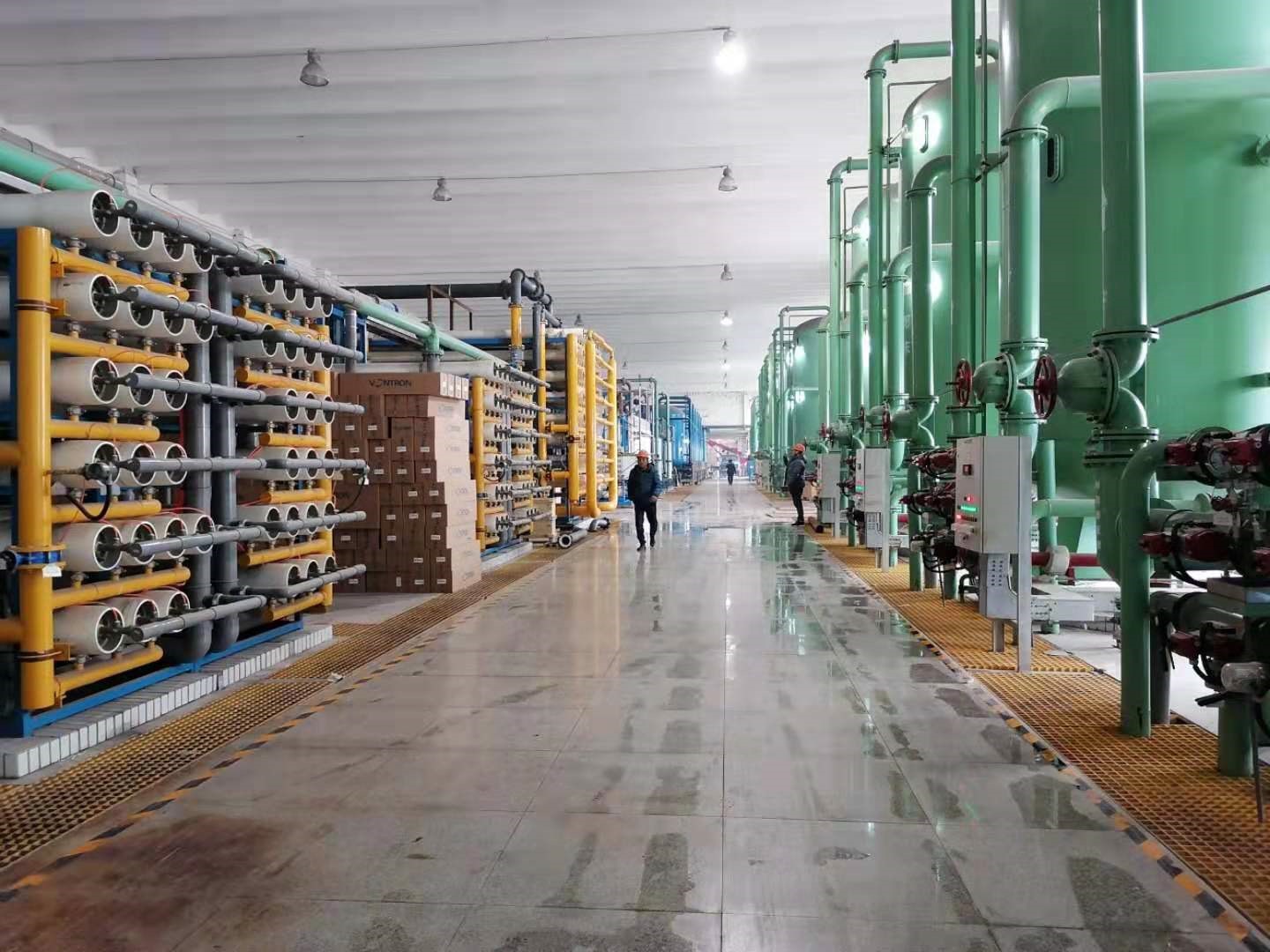
The review separates technical fit, document sufficiency, qualification activity and delivery readiness so one weak area cannot hide behind price.
Compare the buyer's operating envelope and target performance with manufacturer-stated conditions. Record every assumption and deviation.
Identify the required datasheets, certificate scope, declarations, inspection records, shipping documents and responsible issuer.
Define sample identity, inspection or pilot activity, buyer test ownership, decision criteria and the evidence link to a later order.
Align production lead time, packaging, Incoterm, payment milestones, required arrival date and the route for claims or warranty support.
Each document remains attributable to its issuer. MembraLink records where evidence came from and who must resolve the remaining question.
| Evidence area | Primary input | MembraLink role | Final decision |
|---|---|---|---|
| Project duty | EPC design basis, feedwater and acceptance targets | Structure the RFQ and maintain the clarification register | EPC design authority |
| Product data | Manufacturer-origin datasheet and stated test conditions | Record source, scope, revision and unresolved differences | EPC and end user |
| Sample or inspection | Supplier identifiers and buyer test or inspection results | Connect the evidence trail and record disposition | Named buyer approver |
| Commercial order | Formal quotation, contract and shipping requirements | Coordinate open terms, milestones and document responsibility | Contracting parties |
The project schedule is built from decision gates rather than a single promised lead time.
Confirm duty, quantity, document list, destination, delivery date and the named people who can answer clarifications.
Resolve or explicitly accept differences in format, test conditions, certificate scope, packaging or contract terms.
Set sample, inspection, pilot or document-review requirements and record the buyer's acceptance outcome.
Confirm contracting party, payment, production identifiers, shipping documents and the route for post-delivery issues.
Stop condition: A quotation should pause when a critical project requirement cannot be evidenced, tested or explicitly accepted by the responsible buyer.
Project duty, buyer inputs, open questions, responsible party, response and acceptance status.
Model data, stated test conditions, certificate scope, document revision and deviations from the RFQ basis.
Sample or inspection identifiers, supplied records, buyer test result and the agreed disposition.
Price validity, payment, lead time, packaging, Incoterm, shipping documents, warranty route and unresolved risk.
Project working guides
Regional project conditions change the evidence route. These guides show where EPC specifications, operating data and destination requirements need to meet.
Start with the project-set permeate requirement, configuration and document scope before comparing model claims.
Industrial reuseScreen UF, NF and RO candidates against the actual reuse objective, feed condition and operating constraints.
A complete project brief lets us identify missing evidence before commercial urgency turns it into project risk.